Write your daily summary last, at the end of the day, here… Only one to two sentences.
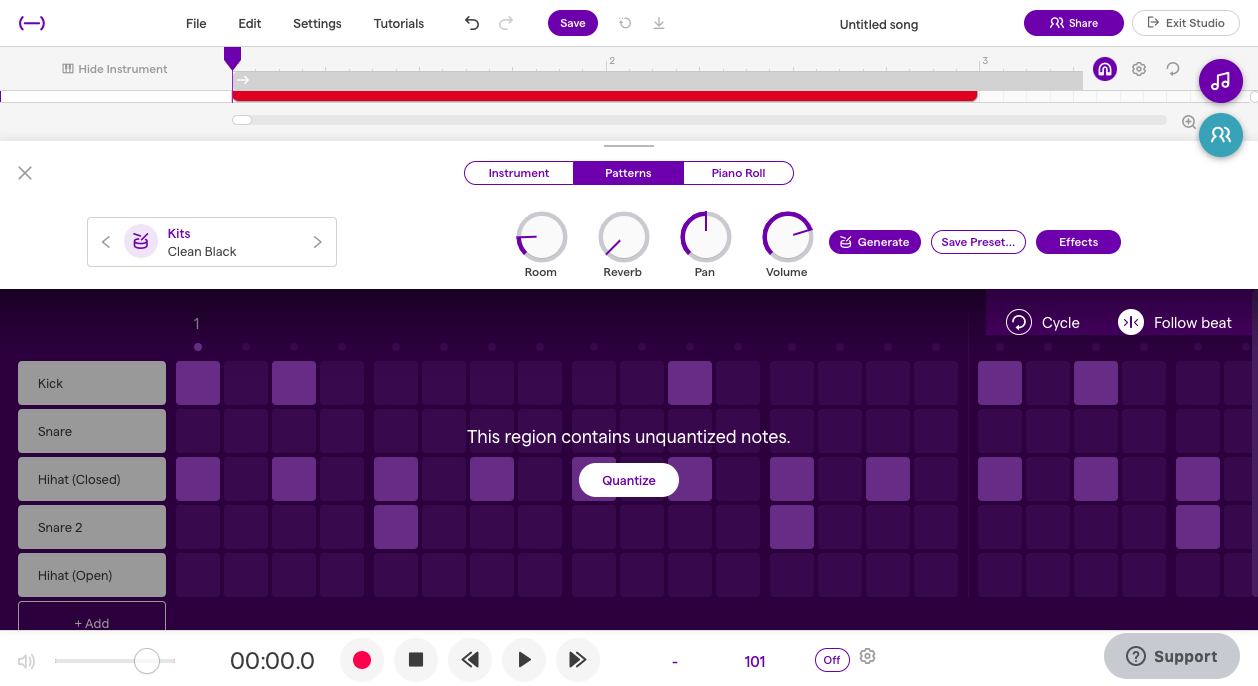
Extended the song after its beat drop that I’ll later add a synthesizer bass to it. Rehearsed Anderson’s string parts for his piece. added a clear way for my song to end.
Use the MusicWill.org JamZone, books, or ultimate-guitar.com. Remember to use a metronome to record the BPM rate you can play perfectly.
Found a piece of melody I’ll use at the end of my song. Started using my left hand and right together, left playing chords and right playing the melody guided by hook theory.
Using a bass opposite from the direction of the melody can create grand the further the octaves are and the dense sound the closer the two are. The bass can be used from the chords to separate the harmonies onto different instruments. The lower the bass goes, it can have a physical effect onto our bodies that is used in modern day music. Low notes used to only be heard using a church organ, giving the impression of god.
OUTSIDE (INSPIRATION / IDEAS) 9:45-10:15AM
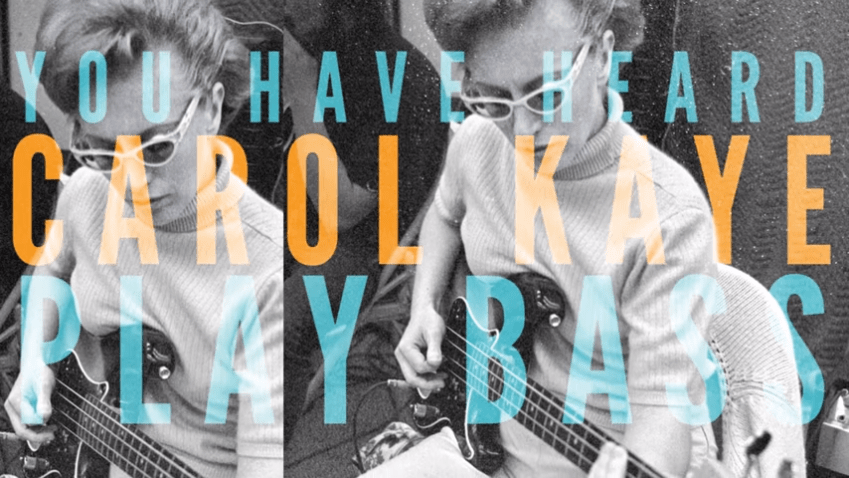
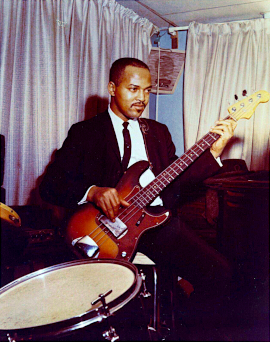
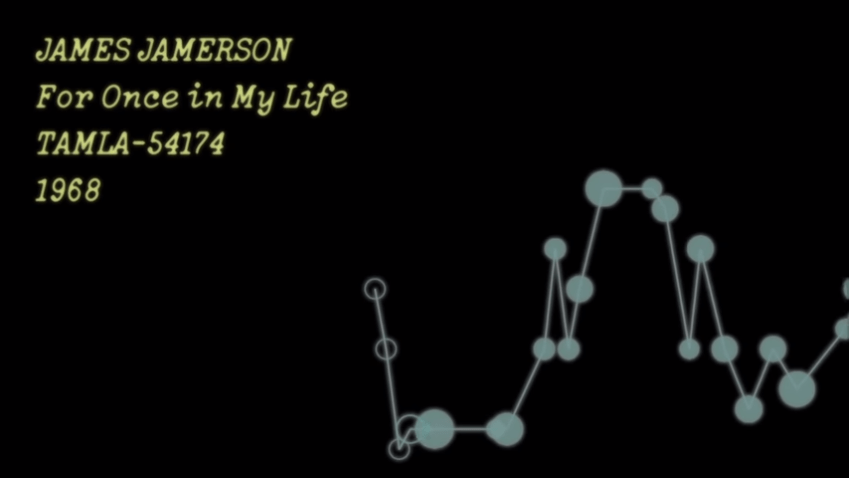
Part 1:Explore Carol Kaye and James Jamerson’s Profiles in Excellent. These two bass players are credited with creating some of the best bass lines! Then go for a walk and think of the funky work they created.
Profile in Excellence
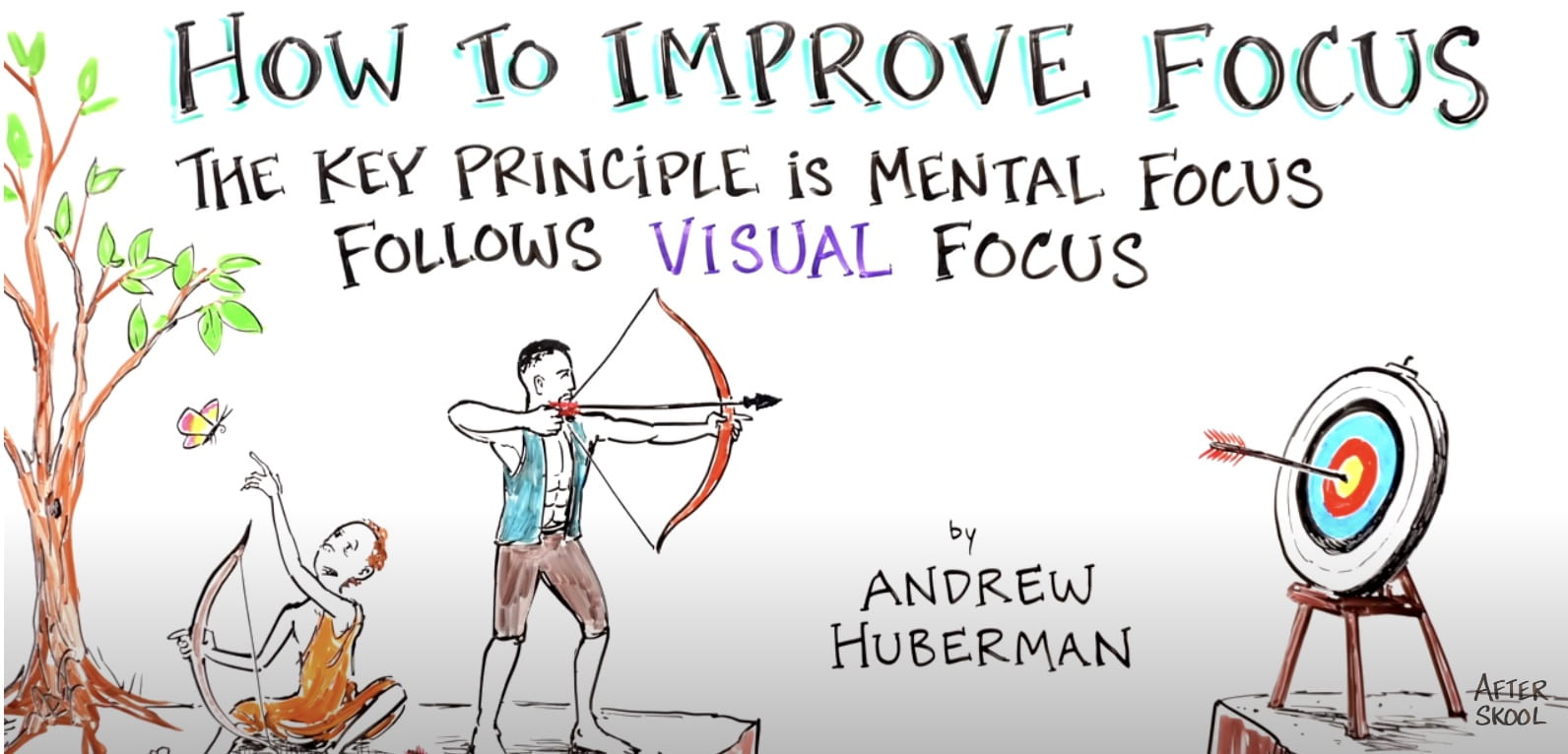
Screenshot from Polyphonic at YouTube
Check out these two videos about amazing bass player Carol Kaye
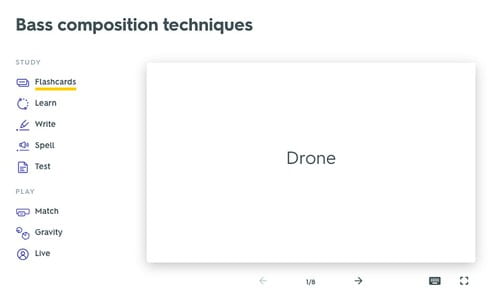
After playing with Quizlet, go for a walk and think about bass lines. Think of songs that have great basslines. When you are back from your walk, you might want to research more about the notes that make those basslines stand out?
Screenshot from Quizlet Bass Composition Techniques
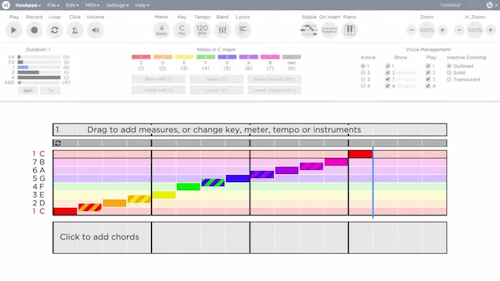
Step 3:Try making a bassline to a chord progression or melody line.
Screenshot from HookLab
How was this activity? Write a reflection on what you did and learned.
Started extending the end of the song backwards.
LUNCH 11:15-11:45AM
STUDIO (SONGWRITING) 11:45-12:45PM
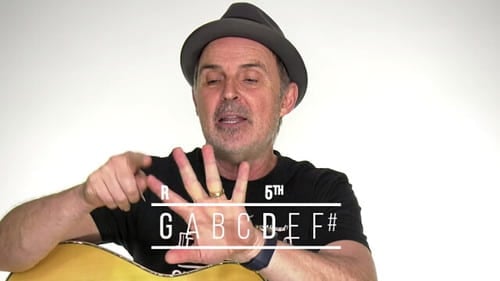
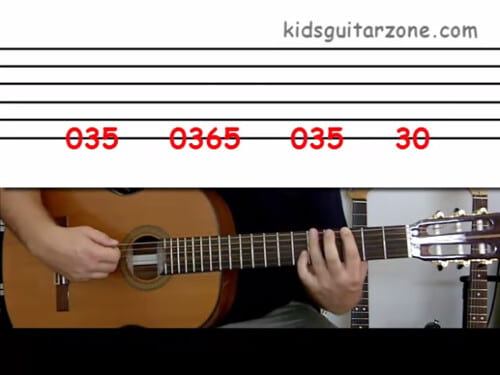
Play around with playing the low E string (6th string on the top of the neck) on your guitar. Create a simple three-note-ish bassline. Get funky with it. Try different plucking tempos to great the groove. You can even try playing Smoke on the Water
Screenshot from Kidsguitarzone.com
Created a part for the bass to go in and the bass will be played with a synthesizer.
CONTROL ROOM (RECORDING & MIXING) 12:45-1:45PM
Record the bass line you developed in the studio.
How did the recording go? Write a short reflection.
Write a brief reflection on your mental meanderings.
DELETE ALL OF MR. LE DUC’s INSTRUCTIONS DETAILED ABOVE AFTER COMPLETING THEM
STAGE (SHARE) 2-2:30PM
We will work on MusicWill.org materials when ‘on stage’.
This is the performance room for sharing and playing together.
Reflect on which instrument you picked and what we played today.
The dynamic of the openness of the end was cool but have more change throughout the song. The detuning was cool also.
WHAT I LEARNED and PROBLEMS I SOLVED
Tell your daily story here! Highlight what you learned and enjoyed most, and at least one problem you solved. Problem-solving is one of the most important skills you need in life. Employers want to know HOW you get stuff done as much as WHAT you got done.
Matching tempo and the syncopated rhythms including triplets during rehearsing. Allowed other instruments and bass to be included and fixed where the beat would go in Soundtrap.
TODAY’s ACTIVITY EVALUATION
Give feedback on the class Content and Process
Participation will be part of your leadership project due at the end of the course
Swing makes emphasis after the beat, making them feel slower while tangos makes emphasis before the beat, making it feel rushed. Starting with a syncopated rhythm then slowly filling in the beats over time creates a slow decent of flow.
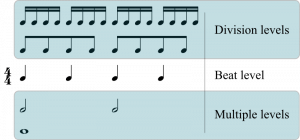
After playing with Quizlet, go for a walk and think about the rhythm of your steps. How many beats per minute is your walk/pace/cadence? What is the tempo of some of your favorite songs? How many beats per minute is your favorite tempo?
Write a brief reflection on your mental meanderings.
How was this activity? Write a reflection on what you did and learned.
The drum helped to build and helped to drive the piece.
LUNCH 11:15-11:45AM
STUDIO (SONGWRITING) 11:45-12:45PM
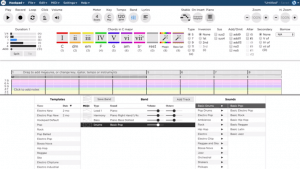
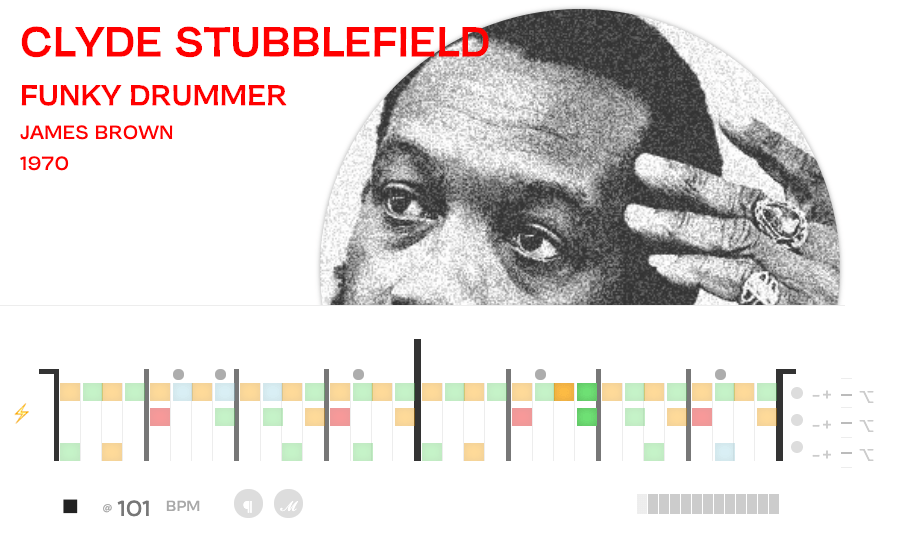
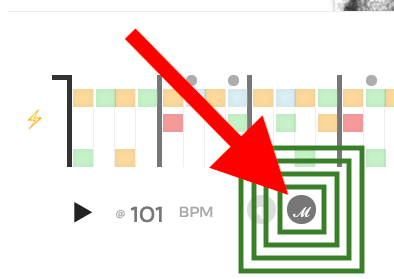
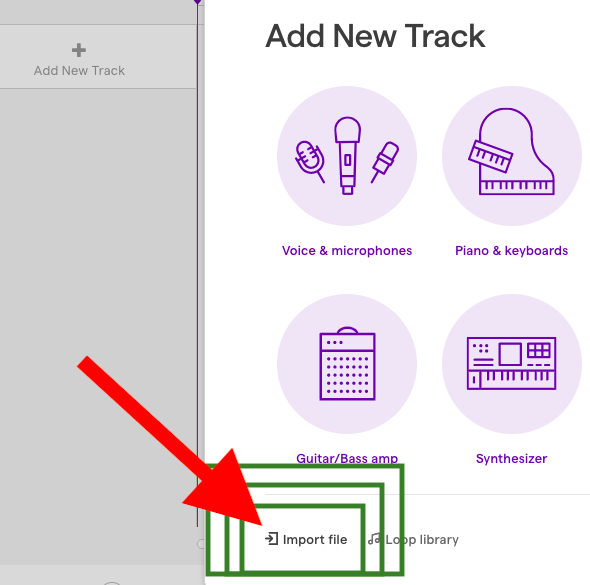
Funklet is back! This time in the studio. Pick a drummer, like Clyde Stubblefield. Play around with the drummer’s beat with Funklet’s editing options. Export a drum sample and import it into Soundtrap.com. Play a rhythmic guitar or ukulele strumming pattern over the beat. Practice playing in time with the beat. Try muting the strings and keeping the tempo, chucka-chucka style. Watch this chucka-chucka tutorial to better understand the technique.
Dropping or slowing the rate of the drums can release the tension that could be built up even further with strings.
STAGE (SHARE) 2-2:30PM
We will work on MusicWill.org materials when ‘on stage’.
This is the performance room for sharing and playing together.
Reflect on which instrument you picked and what we played today.
Changing the bass part to have the same rhythm or even pitch idea as the beginning piano could make a motif for the song.
WHAT I LEARNED and PROBLEMS I SOLVED
Tell your daily story here! Highlight what you learned and enjoyed most. Problem-solving is one of the most important skills you need in life. Employers want to know HOW you get stuff done as much as WHAT you get done.
The chord progression sounded too major for what I wanted and ended up using clashing tones in order to achieve the minor feel to it.
TODAY’s ACTIVITY EVALUATION
Give feedback on the class Content and Process
Participation will be part of your leadership project due at the end of the course
Use the MusicWill.org JamZone, books, or ultimate-guitar.com. Remember to use a metronome to record the BPM rate that you can currently play perfectly.
Worked on increasing tempo for how fast I can position my hands in chord positions.
Suspended chords and dissonance were widely unrecommended in the past but using them in current time has become more accepted. Augmented and diminished chords are created by taking the top or bottom note of the chord and raising or lowering it by a half step.
Watch the band U2 nearly break up but be saved by the chord progression that eventually became the song One. This is from the 55-minute mark of the documentary From The Sky Down.
Watch the tutorial and write some chord progressions in HookPad.
Plug your instrument into the Scarlett red box and listen through Soundtrap.com.
Watch this informative video by Jake Lizzio. Experiment with notes on your guitar and try playing along with him. If you cannot do this, play just the C note or chord every time he plays it.
Motifs can be simple and have no strict rules. The chords can be made with the first note of the motif being the root.
CONTROL ROOM (RECORDING & MIXING) 12:45-1:45PM
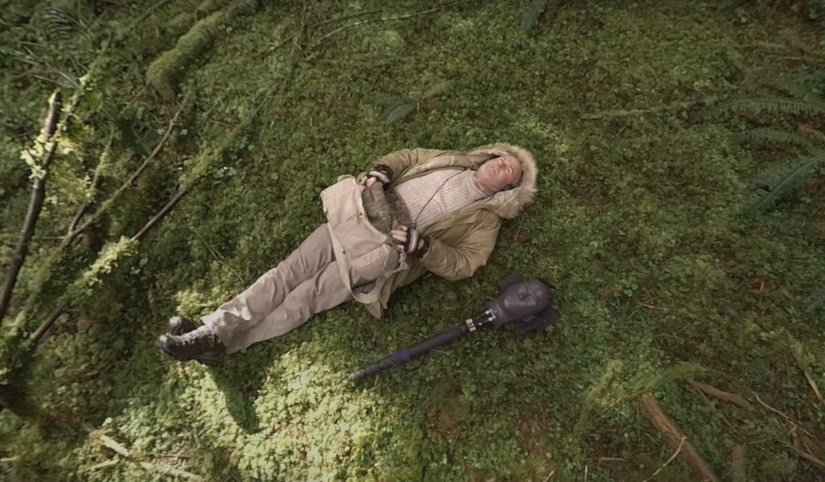
Tune your guitar, bass, or keyboard. Try recording two tracks of guitar, bass, or keyboard. One with the single notes, like Jake Lizzio showed you above, and a second with the lower C bass notes to make a simple progression. Remember,two notes playing at the same time is a chord, and they are in harmony. Keep it simple. Refer to your Quizlet Guitar Strings / Notes Flashcardsif you need help remembering the guitar notes on the first three frets. Set a timer. Stop playing before you feel like Chewbacca below.
Save your work and add Mr. Le Duc as a collaborator in your Soundtrap file.
Write a short reflection here about what you thought.
I couldn’t get the melody for what I’ve been thinking of for one of the chord progressions but made some progress on a different one.
OUTSIDE (INSPIRATION / IDEAS) 1:45-2PM
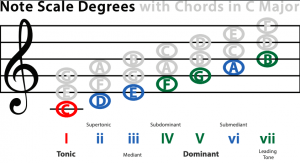
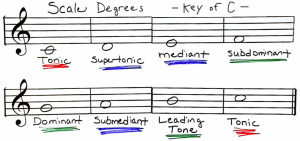
Go for a walk and think about the Tonic (1 chord) and the Dominant (5 chord) and how they create push and pull tension and release in composition. Also, think of songs you like and where is the tension or build-up in the songs?
The tonic is a landing point for the tension the dominant builds.
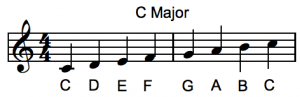
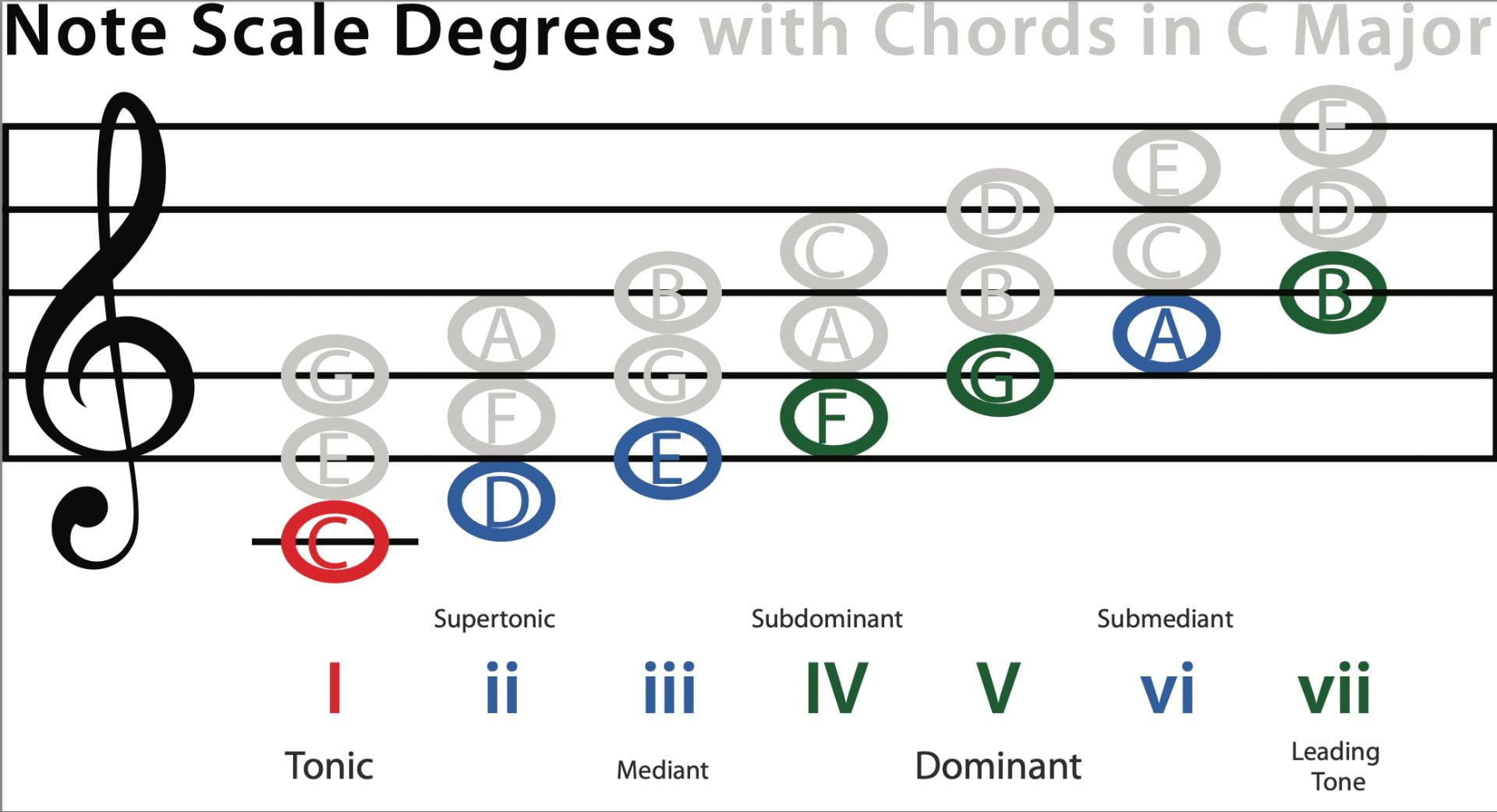
Tonic (1 and 8 chords)
Root note creates a feeling of resolution and stability
Supertonic, Mediant, Submediant (2, 3, 6 chords)
Moderate tension, useful for transitions
Dominant, Subdominant, Leading Tone (4, 5, 7 chords)
We will work on MusicWill.org materials when ‘on stage’.
This is the performance room for sharing and playing together.
Reflect on which instrument you picked and what we played today.
Overproducing a song could divide an audience because of the preferences of others. For me, I liked the overproduced because it meant there is a lot to the piece itself, so every time you listen to it, could could notice something different and gives more meaning to listening to it again.
WHAT I LEARNED and PROBLEMS I SOLVED
Tell your daily story here! Highlight what you learned and enjoyed most. Problem-solving is one of the most essential skills you need in life. Employers want to know HOW you get stuff done as much as WHAT you got done.
Melodies can change to match chords it’s over. Added a violin within one of the sections to give it a smoother feeling.
TODAY’s ACTIVITY EVALUATION
Give feedback on the class Content and Process
Participation will be part of your leadership project due at the end of the course
Started thinking about how I could created a melody with my violin on to of the chords I found. By doing so I found two different chord progressions that could transition into another, creating different sections in the song.
Use the MusicWill.org JamZone, books, or ultimate-guitar.com. Remember to use a metronome to record the BPM rate that you can currently play perfectly.
Melodies usually follow notes in the same octave. Present day songs usually change between major and minor several times. Pentatonic means all of the black keys on a piano. Musical instruments all started out separated with only being able to be played by themselves because of the notes they played. Later, instruments changed to be able to be played together with the same pitches, introducing classical music.
The subdominant, dominant, and leading tone have the most tension that wants to resolves immediately to the tonic. The others have tension, but don’t want to resolve yet, needing more chords in-between the resolves and itself.
CONTROL ROOM (RECORDING & MIXING) 12:45-1:45PM
Go back into Soundtrap, create a track, and plug in an instrument! Follow the two tutorials below.
Write a brief reflection on how this process worked for you.
Tried creating a melody for the chords I used but instead created a different section that could be linked right next to the section I was working on.
OUTSIDE (INSPIRATION / IDEAS) 1:45-2PM
STAGE (SHARE) 2-2:30PM
We will work on MusicWill.org materials when ‘on stage’.
This is the performance room for sharing and playing together.
For the second song picked when the guitar and drums came in, they staggered and weren’t together, this being a unique musical idea. Another thing about the song is that the instruments near the beginning after everyone came in avoided the down beat, playing on the others and some of them were syncopated.
WHAT I LEARNED and PROBLEMS I SOLVED
Tell your daily story here! Highlight what you learned and enjoyed most. Problem-solving is one of the most essential skills you need in life. Employers want to know HOW you get stuff done as much as WHAT you got done.
By trying to find a melody for my original chord progression, I found an old recording from day 1 where I had created a chord progression that today I turned into a circus theme. I realized that the two tracks I made had very similar chords and could transition into another.
TODAY’s ACTIVITY EVALUATION
Give feedback on today’s class Content and Process
What to keep in mind when writing lyrics is to get specific in what you are talking about using imagery. To release tension in the melody, match the chord being played in the background.
PRACTICE ROOM (LESSONS) 8:30-9AM
Found a chord progression that I want to use later in a song while familiarizing myself with garage band.
I didn’t realize that the basics of music theory has already been taught to me through classes like orchestra at school without mentioning it. This was done by understanding basic music notation in sheet music or even understanding chords.
Every story follows a similar structure like this one. It doesn’t have to be the same but most stories that we’ve been told can be related back to it. Music can and do tell stories, so using this chart in relation could make a more engaging or familiar song.
For calm sections the rhythm for the chords might stay the same but the chords don’t change. For a waltz, it switches between two chords two times or more. Building chords (tension or transition segment) don’t follow a pattern, instead they go lower/higher in pitch usually by half steps. Also a melody doesn’t have to exactly follow the chord it’s over, but it can resolve with the chord briefly.
Lyrics are better when you make them more specific. Rather than explaining or telling the emotions, show them through what could be symbolic imagery. Use things like real life experiences and the emotions from them to create the lyrics.
Going through some of the tutorials showed me some of the ways chords could be played and could be inserted into the track itself.
OUTSIDE (INSPIRATION / IDEAS) 1:45-2PM
STAGE (SHARE) 2-2:30PM
We will work on MusicWill.org materials when ‘on stage’.
This is the performance room for sharing and playing together.
By using the code and link in the book, you can follow along on tutorials in the book.
WHAT I LEARNED and PROBLEMS I SOLVED
Issues with Soundtrap were fixed by launching it using chrome and relationships and patterns in chord progressions in songs that I looked at in hook theory helped to create deeper understandings of how chords can be used in music.
We will complete some activities before you fill it in
Email Mr. Le Duc, sleduc@osd.wednet.edu, and Mr. Disston, gdisston@osd.wednet.edu, so they have the email address you will be using during summer school
Add details to the notes below that you found interesting…
Goal: listen to music in a way that will enrich but not harm you
10%-20% of high schoolers have hearing damage
Hearing damage can happen on one occasion and doesn’t have to be constant
No cure!
Temporary Threshold Shift: “hearing hangover”
Wearing earplugs doesn’t change the quality of sound but just the volume
High-frequency loss is most common among musicians
Distancing yourself from the source and earplugs is the best way to prevent hearing loss
Stimulants while listening to music can increase the risk of hearing damage
Resting your ears is important, space out concerts
70 dB, no risk
85 dB, risk after 8 hours
91dB, 2 hours without damage
100 dB, 15 minutes without damage
115 dB, 1 minute without damage
140 dB, immediate damage and pain
Symptoms of damage, tinnitus, muffled hearing, and other mental and physical problems like irritability, depression, high blood pressure, and fatigue
Damage is done when the cochlea hair cells in the inner ear are damaged. They do not grow back. These are what interpret vibrations and turn them into what we hear.
Safety Online
Participate in the Netsmartz.org Internet safety discussion about being safe online
DELETE ALL OF MR. LE DUC’s INSTRUCTIONS DETAILED ABOVE AFTER COMPLETING THEM
OUTSIDE (PRESENTATION & VOICE) 9:45-10:15AM
Listen to a chapter of The Creative Act: A Way of Being by Rick Rubin
Go for a walk and think about the chapter.
When you come back, write a short reflection and then share with the group what you thought about.
DELETE ALL OF MR. LE DUC’s INSTRUCTIONS DETAILED ABOVE AFTER COMPLETING THEM
Step 1. Tell your students to click “I am a student with a course code” at the bottom of the website, as shown below.
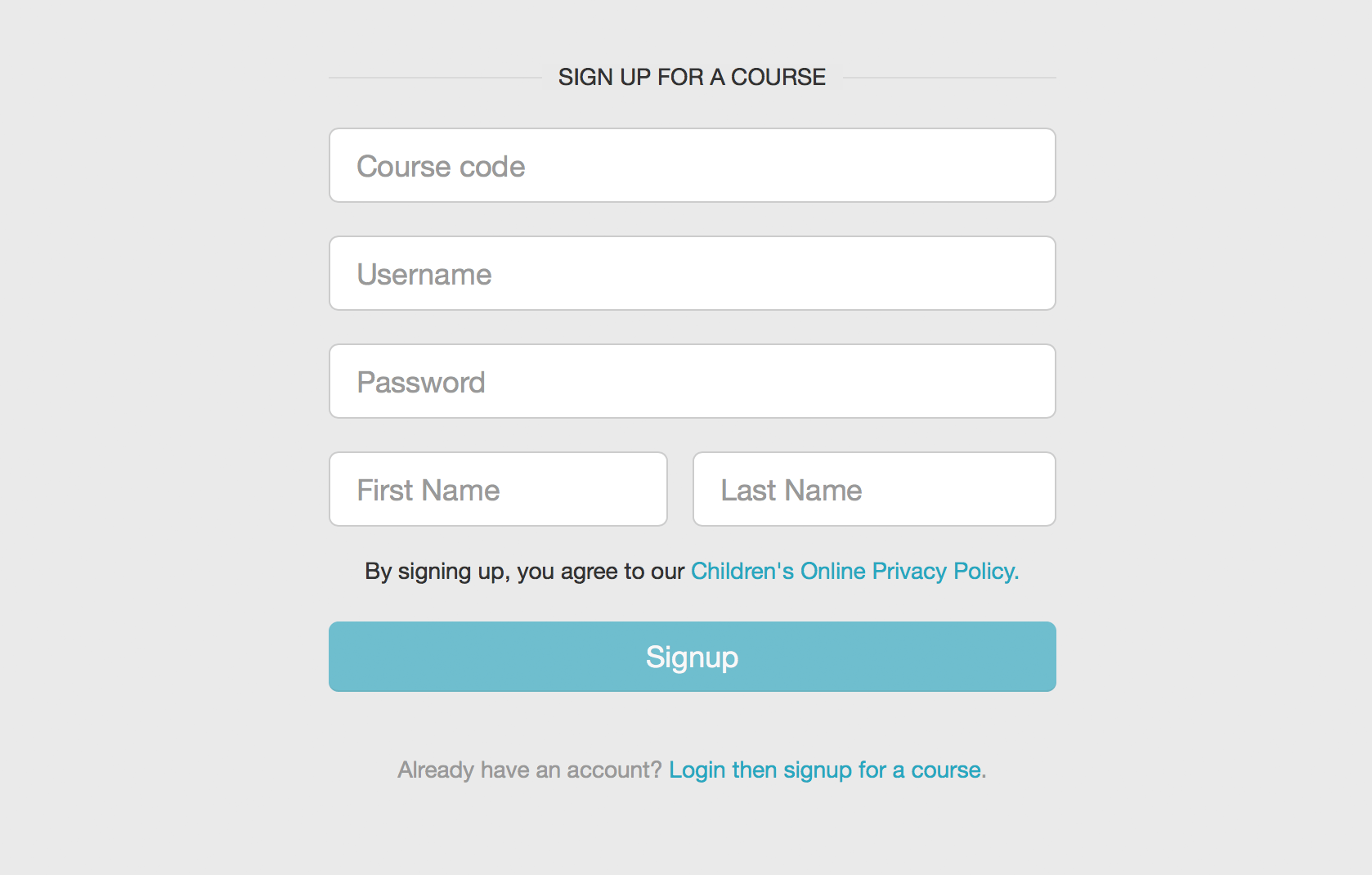
Step 2. On the “Course Sign Up” page, students enter the course code, a username, a password, and their first and last name, as shown below.
This creates a Hooktheory account for the student and links it to your course. If a student visits the course sign-up page while logged into an existing account, it only asks for the course code.
When you come back, write a short reflection and then share with the group what you thought about.
DELETE ALL OF MR. LE DUC’s INSTRUCTIONS DETAILED ABOVE AFTER COMPLETING THEM
STAGE (SHARE) 2-2:30PM
We will work on MusicWill.org materials when ‘on stage’.
This is the performance room.
Reflect on which instrument you picked to work on first.
DELETE ALL OF MR. LE DUC’s INSTRUCTIONS DETAILED ABOVE AFTER COMPLETING THEM
WHAT I LEARNED and PROBLEMS I SOLVED
Tell your daily story here! Highlight what you learned and enjoyed most. Also, share what you needed to do to complete the day’s work. Problem-solving is one of the most important skills you need in life. Employers want to know HOW you get stuff done as much as what you got done.